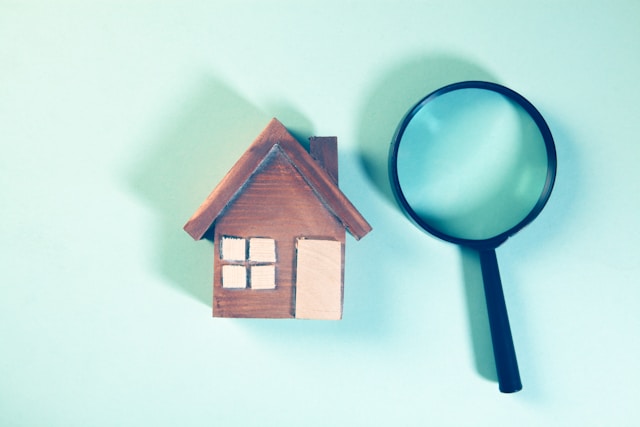
What First-Time Home Buyers Should Expect During a Home Inspection
Buying a home for the first time is both exciting and overwhelming. For many first-time buyers, purchasing a property represents one of the biggest financial decisions they will ever make. Between mortgage approvals, property searches, negotiations, and closing paperwork, the home-buying process can feel complicated and stressful. One of the most important steps in this process is the professional home inspection.
A home inspection gives buyers a clearer understanding of a property’s condition before completing a real estate transaction. While many first-time buyers may initially focus on cosmetic details like paint colors, flooring, or kitchen layouts, professional inspectors evaluate much more important aspects of a home, including structural integrity, electrical systems, plumbing, roofing, HVAC performance, and potential safety concerns.
For buyers unfamiliar with the process, home inspections can sometimes feel intimidating. Inspection reports often contain technical terminology, maintenance recommendations, and lists of defects that may appear alarming at first glance. However, inspections are designed to educate buyers and help them make informed decisions rather than simply identify reasons to cancel purchases.
Professional inspection companies like Greg Peterson Inspections help first-time buyers better understand what inspectors evaluate, how inspection reports are organized, which issues are considered serious, and when additional specialist inspections may be necessary. By understanding what to expect during a home inspection, buyers can approach the process with greater confidence and make smarter decisions throughout their real estate journey.
What Is a Home Inspection?
A home inspection is a professional evaluation of a property’s visible and accessible systems, structures, and components. The purpose of the inspection is to identify current problems, safety concerns, maintenance issues, and potential future repair needs before the buyer completes the purchase.
Why Home Inspections Matter
Home inspections help buyers:
Understand the true condition of the property
Identify hidden issues
Estimate future maintenance costs
Avoid unexpected financial surprises
Make informed purchasing decisions
Without a professional inspection, buyers may unknowingly purchase homes with expensive structural, electrical, plumbing, or roofing problems.
Inspections Are Educational
For first-time home buyers, inspections are not only about finding defects. They are also educational opportunities that help buyers learn more about home systems, maintenance responsibilities, and long-term property care.
Professional inspectors often explain how systems function, what maintenance may be needed, and which issues require immediate attention versus routine monitoring.
When the Home Inspection Happens
Home inspections usually occur after a buyer and seller sign a purchase agreement but before the transaction officially closes.
Inspection Contingency Period
Many real estate contracts include an inspection contingency period, which allows buyers time to:
Schedule inspections
Review inspection reports
Request repairs
Negotiate with sellers
Decide whether to continue the transaction
This contingency helps protect buyers by allowing them to evaluate the property thoroughly before finalizing the purchase.
Timing Is Important
Because inspection periods are often limited, buyers should schedule inspections quickly after entering contract agreements.
Delays can reduce negotiation flexibility and create unnecessary stress during the transaction process.
What Inspectors Typically Evaluate
Home inspectors examine many of the property’s major systems and structural components.
Roof and Attic
Inspectors evaluate roofing systems for:
Missing shingles
Roof wear
Leaks
Flashing problems
Ventilation issues
Signs of water intrusion
Attics are checked for insulation quality, moisture concerns, ventilation, and structural conditions.
Foundation and Structure
Structural evaluations often include:
Foundation cracks
Uneven flooring
Wall separation
Framing concerns
Structural movement signs
Structural issues are especially important because they can significantly affect property safety and repair costs.
Plumbing Systems
Inspectors evaluate plumbing systems for:
Pipe leaks
Water pressure
Drainage performance
Water heater condition
Signs of corrosion
Moisture problems
Hidden plumbing leaks can eventually lead to expensive water damage and mold concerns.
Electrical Systems
Electrical evaluations commonly include:
Circuit breaker panels
Wiring conditions
Outlet functionality
Safety hazards
Grounding issues
Fire risks
Older homes may contain outdated electrical systems that require upgrades to meet modern safety standards.
HVAC Systems
Heating and cooling systems are inspected for:
Functionality
Maintenance issues
Airflow performance
Safety concerns
System age and condition
HVAC replacement costs can be substantial, making inspection findings especially important for buyers.
Appliances and Interior Components
Inspectors may also evaluate:
Built-in appliances
Doors and windows
Ventilation systems
Stairs and railings
Insulation
Interior walls and ceilings
The goal is to identify visible issues that may affect functionality or safety.
How Long a Home Inspection Usually Takes
Many first-time buyers wonder how long inspections typically last.
Average Inspection Time
Most home inspections take between two and four hours depending on:
Property size
Home age
Accessibility
Complexity of systems
Number of issues identified
Larger or older homes may require additional inspection time.
Buyers Should Attend the Inspection
Whenever possible, buyers should attend at least part of the inspection process.
Attending allows buyers to:
Ask questions
Learn about home systems
See issues firsthand
Better understand inspection findings
Inspectors often provide valuable maintenance tips and explanations during walkthroughs.
What Buyers Should Expect During the Walkthrough
The inspection walkthrough is one of the most educational parts of the process for first-time buyers.
Inspectors Explain Findings
Professional inspectors commonly point out:
Maintenance concerns
Safety hazards
Aging systems
Areas needing monitoring
Repair recommendations
This helps buyers better understand which issues are serious and which are relatively minor.
Not Every Issue Is a Deal Breaker
Many first-time buyers become nervous when inspectors identify defects. However, almost every home—even newly constructed properties—contains some issues.
Inspection reports commonly include:
Cosmetic concerns
Routine maintenance items
Minor repairs
Larger structural or safety issues
The goal is not to find a “perfect” home but to fully understand the property’s condition.
Understanding the Inspection Report
After the inspection, buyers receive a detailed written report summarizing the findings.
What the Report Includes
Inspection reports usually contain:
Written observations
Photographs
Maintenance recommendations
Safety concerns
Repair suggestions
System condition summaries
The report provides a comprehensive overview of the home’s visible condition.
Reports Can Feel Overwhelming
First-time buyers are sometimes surprised by the length and detail of inspection reports.
Even relatively well-maintained homes may generate lengthy reports because inspectors document all observable concerns for legal and educational purposes.
Major vs. Cosmetic Issues
One of the most important things buyers should learn is the difference between major defects and cosmetic imperfections.
Major issues may include:
Structural damage
Roof leaks
Electrical hazards
Foundation movement
Major plumbing failures
Cosmetic concerns may include:
Paint touch-ups
Minor drywall cracks
Loose fixtures
Worn flooring
Professional inspectors often help buyers prioritize which concerns require immediate attention.
Questions Buyers Should Ask Inspectors
First-time buyers should never hesitate to ask questions during inspections.
Helpful Questions Include:
Which issues are most serious?
What repairs are urgent?
Which systems may need replacement soon?
Are there safety concerns?
What maintenance should be prioritized?
Are specialist inspections recommended?
These conversations help buyers better understand the practical impact of inspection findings.
Inspectors Are Educational Resources
Experienced inspectors are valuable educational resources for first-time homeowners.
Companies like Greg Peterson Inspections focus on helping buyers feel informed and confident rather than overwhelmed.
When Specialist Inspections May Be Needed
Sometimes general home inspections identify concerns that require further evaluation by specialists.
Common Specialist Inspections
Additional evaluations may include:
Structural engineering assessments
Mold testing
Radon testing
Pest inspections
Sewer line inspections
Roofing specialist evaluations
Why Additional Evaluations Matter
Specialist inspections provide more detailed analysis when major concerns are suspected.
These evaluations help buyers make more accurate repair estimates and negotiation decisions.
How Buyers Use Inspection Results
Inspection reports often influence the next steps in real estate transactions.
Negotiating Repairs
Buyers may request that sellers:
Complete repairs before closing
Provide repair credits
Reduce the sale price
Address safety concerns
Inspection findings often become important negotiation tools during the transaction process.
Deciding Whether to Proceed
In some cases, inspections uncover severe problems that cause buyers to reconsider purchases entirely.
The inspection contingency allows buyers to make informed decisions based on the property’s actual condition.
Common Issues Found During Home Inspections
Several issues frequently appear during inspections, especially in older homes.
Roofing Problems
Common roofing concerns include:
Aging shingles
Water damage
Poor drainage
Roof leaks
Moisture and Mold
Inspectors often identify:
Water intrusion
High humidity areas
Mold growth signs
Crawl space moisture
Electrical Defects
Electrical concerns may include:
Outdated wiring
Unsafe panels
Improper grounding
Fire hazards
HVAC Concerns
Heating and cooling systems may show:
Maintenance neglect
Aging components
Reduced efficiency
These issues are not uncommon and often become manageable through proper planning and negotiation.
Why Home Inspections Protect Buyers
Home inspections are one of the strongest forms of buyer protection in real estate transactions.
Financial Protection
Inspections help buyers avoid unexpected repair costs after closing by identifying concerns early.
Emotional Confidence
Buying a home can feel stressful, especially for first-time buyers unfamiliar with construction and maintenance issues.
Professional inspections provide reassurance by helping buyers better understand what they are purchasing.
Better Long-Term Satisfaction
Buyers who fully understand property conditions before closing are often more satisfied with their purchases long-term because expectations remain realistic.
Greg Peterson Inspections and Buyer Education
Professional inspection companies like Greg Peterson Inspections focus heavily on buyer education throughout the inspection process.
Their inspections help clients understand:
Property conditions
Inspection terminology
Maintenance priorities
Repair concerns
Long-term ownership responsibilities
This educational approach helps first-time buyers feel more confident navigating complex real estate decisions.
Home Inspections Are Investments, Not Expenses
Some first-time buyers initially view inspections as additional transaction costs. However, inspections often save buyers significant money by uncovering expensive problems before closing.
Long-Term Financial Benefits
Inspection costs are relatively small compared to potential repair expenses involving:
Foundation damage
Roof replacement
Electrical rewiring
HVAC replacement
Water damage remediation
Professional inspections provide valuable financial protection during one of life’s largest investments.
The Future of Home Buyer Education
As more buyers enter competitive housing markets, education surrounding inspections and due diligence continues growing in importance.
Buyers Are Becoming More Informed
Modern buyers increasingly recognize that inspections are critical parts of responsible homeownership preparation.
Inspections Support Smarter Decisions
Professional evaluations help buyers move forward confidently while reducing uncertainty and emotional decision-making during transactions.
Conclusion
For first-time home buyers, understanding what happens during a home inspection can make the entire purchasing process far less stressful and far more empowering. Home inspections provide valuable insight into a property’s condition by evaluating structural systems, roofing, plumbing, electrical components, HVAC performance, appliances, and potential safety concerns.
Professional inspectors help buyers distinguish between cosmetic imperfections and major repair issues while also explaining maintenance responsibilities and future property care expectations. Inspection reports and walkthroughs allow buyers to make informed decisions, negotiate repairs when necessary, and move forward with greater confidence.
Home inspections in the Rome, Georgia area. Your home inspector is certified structure, mechanical, electrical, plumbing, and property maintenance and housing by ICC. Member of American Society of Home inspectors, National Association of Certified Home Inspectors, and Independent Home Inspectors of North America. All Home Inspection photographs and home inspection articles and related information on this website are the property of Greg Peterson Inspections, Inc.; written permission is required prior to duplication or reproduction. Greg Peterson Home Inspections is the premier home inspector, building inspection, and real estate property inspection service in Rome, Ga. Professional, certified home inspectors trusted to conduct ethical home inspections. Your search for home inspection companies, home inspection company, home inspectors or home inspection services in Rome, Ga. will direct your browser to Greg Peterson Inspections, the premier home inspection service in Georgia. Note: This footnote is displayed solely to enhance the Greg Peterson home inspection website listing in the Google Search. If you have read this home inspection information you may wonder why the words home inspector, home inspection, home inspection company, or building inspector and building inspection company are mentioned so many times. That is because the Google search will display my home inspection page at a higher position if those words are mentioned a lot on my home page. Thanks, Greg Peterson.